Microbial Succession in Elk Dung
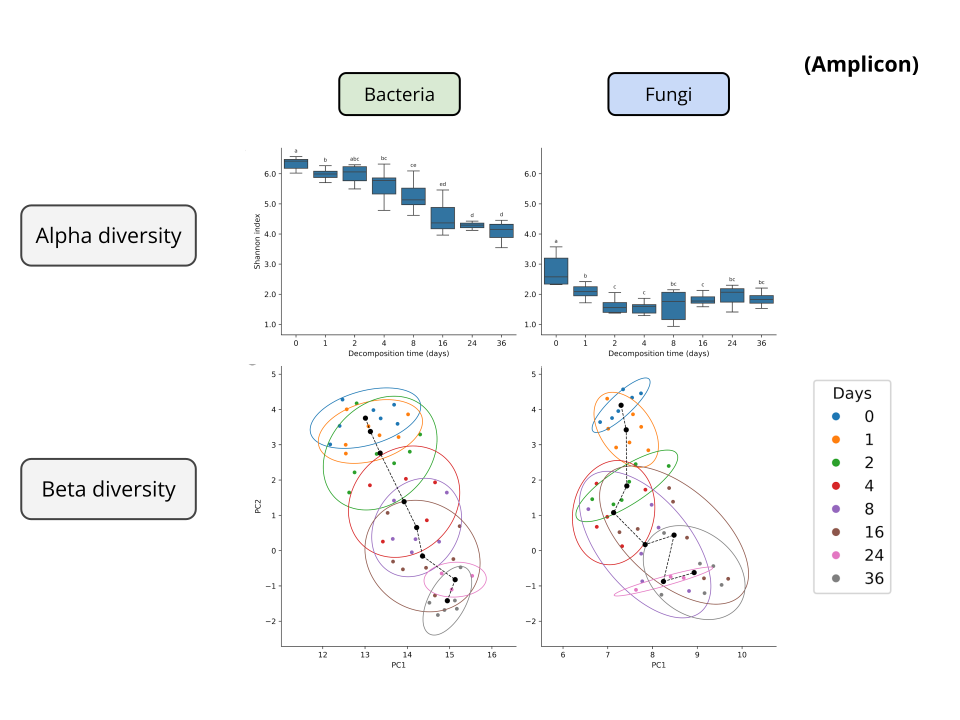
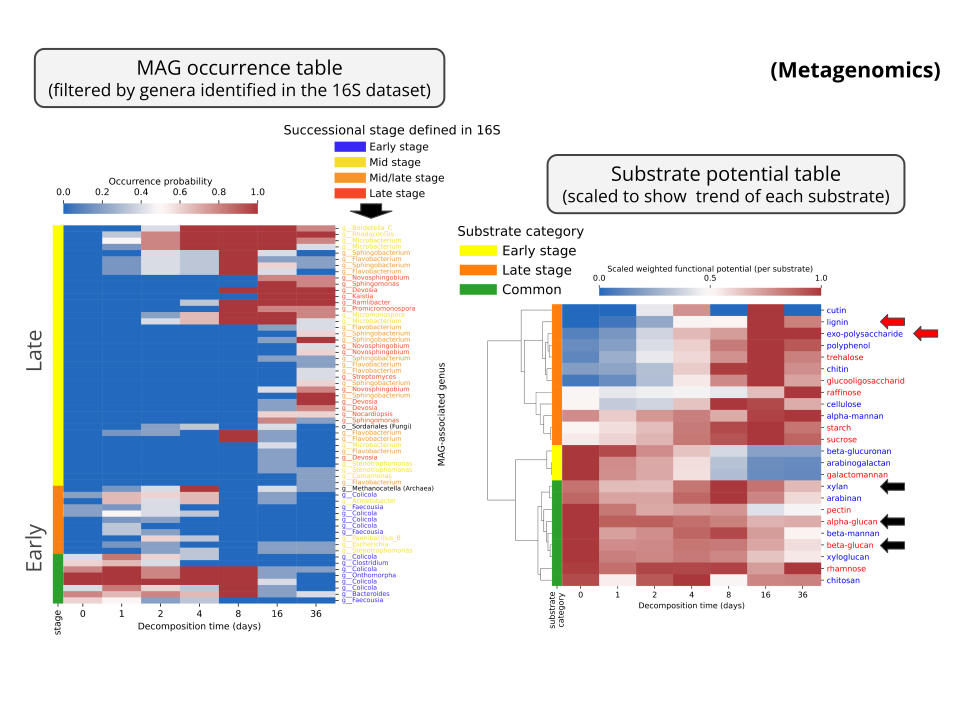
Herbivore dung decomposition forms a dynamic microscale ecosystem where microbes drive nutrient cycling and organic matter turnover. We investigated microbial succession during tule elk dung decomposition, focusing on how community shifts relate to changes in carbohydrate-active enzyme (CAZyme) substrate utilization. Using amplicon sequencing and shotgun metagenomics, we tracked temporal changes in community composition, diversity, and functional potential.
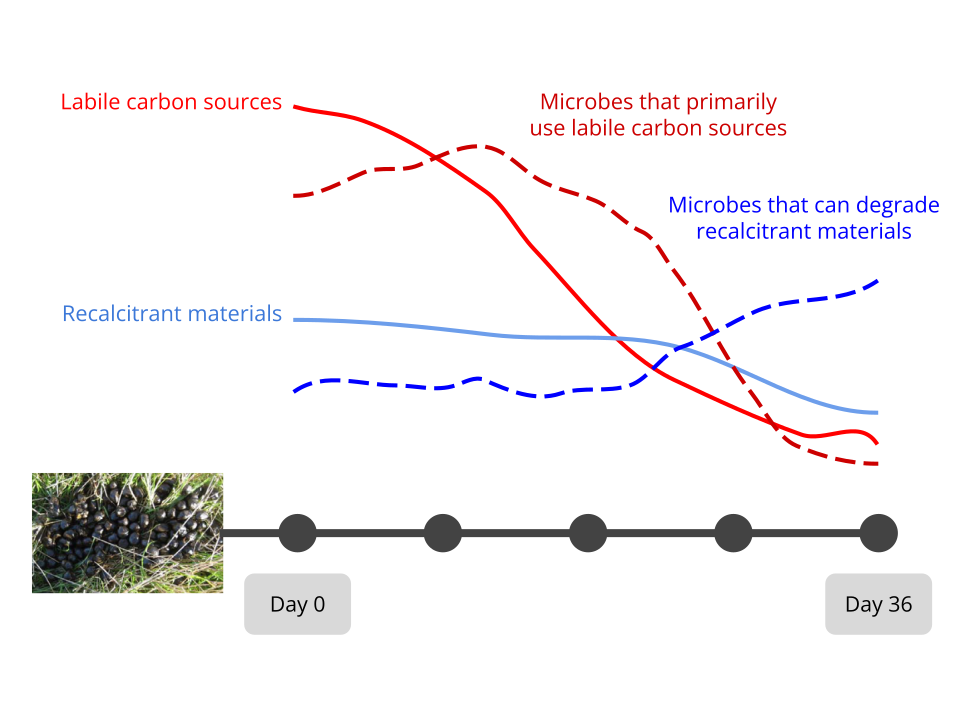
Bacterial communities followed a more predictable and directional successional trajectory, while fungal communities were more variable and stochastic. Functional profiles from both metagenome-assembled genomes (MAGs) and amplicon-based proxy proteomes revealed a progression from labile to recalcitrant carbon utilization across decomposition. Substrate-specific CAZyme profiles showed complementary bacterial and fungal roles: bacteria were enriched in enzymes targeting sucrose, starch, and xylan, whereas fungi specialized in degrading cellulose and lignin.